
Roof Lifespan: What Bronx Homeowners Should Know
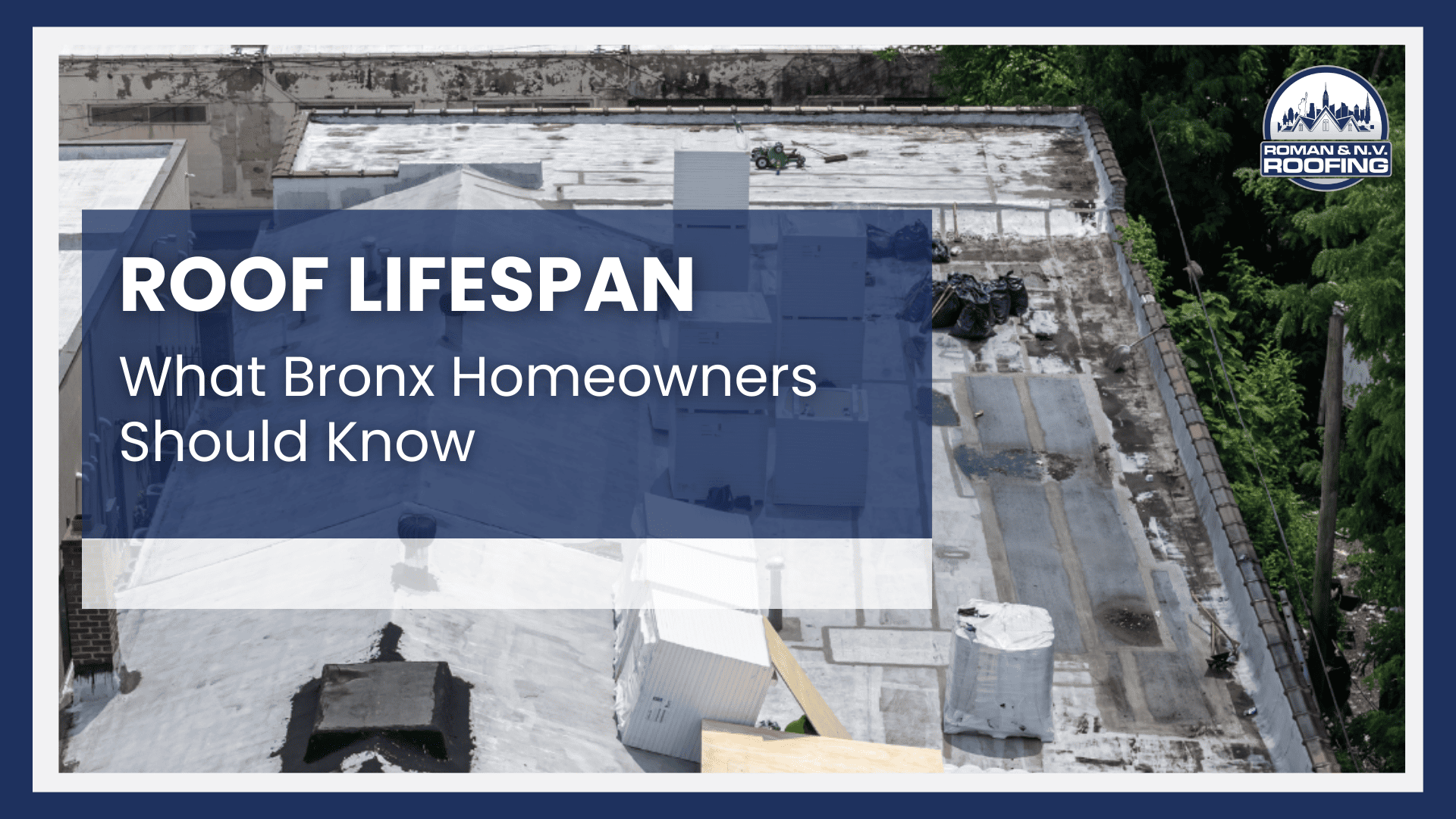
For Bronx homeowners, knowing when it’s time to replace your roof is essential for protecting your home, family, and investment. Your roof is constantly exposed to New York’s weather extremes, from winter snow and ice to summer storms and heat. Ignoring the signs of wear can result in leaks, structural damage, and costly repairs. By understanding the roof's lasting duration and the key factors that affect roof longevity, you can make informed decisions about maintenance, repairs, or full replacement.
Years ago, a friend of mine ignored minor leaks in his Bronx brownstone, thinking it was just normal wear. A few months later, heavy rainfall caused water to seep through multiple layers of the attic, ruining insulation, ceilings, and electrical wiring. This experience highlighted a vital truth: timely roof replacement can prevent catastrophic damage and unnecessary costs.
Your roof isn’t just shingles or tiles; it’s the shield that protects your entire property. Knowing its lifespan and acting proactively is the difference between minor maintenance and a major renovation.
Factors Affecting Your Roof’s Lifespan
Your roof’s longevity isn’t determined solely by age. Multiple factors influence when it reaches the point where replacement is the best option. Understanding these factors helps you anticipate problems and take action before damage becomes severe.
Material Type
Different roofing materials naturally have different roof life durations. Asphalt shingles are common in Bronx and typically last 15–25 years, while metal, tile, or slate roofs can endure for decades longer. Choosing durable, high-quality materials initially extends the roof’s lifespan and reduces long-term maintenance costs.
Key Aspects:
Asphalt shingles: 15–25 years, economical but shorter lifespan.
Metal roofs: 40–70 years, resistant to weather and fire.
Slate or clay tiles: 50+ years, high durability, but heavier installation.
Flat or membrane roofs: 20–30 years, suited for commercial buildings.
Installation Quality
Even the best materials fail if not installed correctly. Poor installation can cause premature leaks, sagging, and accelerated wear. Proper flashing, underlayment, and ventilation are critical to ensure the roof functions as designed.
Signs of poor installation:
Shingles lifting or curling shortly after installation.
Water penetration at seams or valleys.
Uneven roof lines or sagging areas.
Hiring licensed, experienced Bronx roofers ensures that your roof performs optimally throughout its expected lifespan.
Environmental Exposure
Bronx’s weather plays a significant role in the roof's lasting duration. Intense sun, wind, rain, and snow all contribute to material wear. Roofs facing direct sunlight or located in areas with poor drainage tend to deteriorate faster.
Impact Factors:
UV rays cause asphalt shingles to crack.
Heavy rain accelerates water damage and underlayment deterioration.
Ice and snow create freeze-thaw cycles that damage roofing material.
Seasonal inspections help mitigate these effects by catching problems early.
Maintenance & Inspection
Regular maintenance can extend your roof’s life considerably. Unchecked debris, clogged gutters, and minor leaks can escalate quickly if left unaddressed. A consistent schedule of cleaning, minor repairs, and professional inspections ensures the roof performs at its peak.
Recommended actions:
Inspect twice yearly, especially after storms.
Clean gutters and remove debris.
Address minor leaks immediately.
For detailed repair indicators, refer to our guide on Signs Your Roof Needs Repair.
Seasonal Guidance: When to Inspect and Plan for Replacement
Knowing the roof’s age and material is only part of the equation. Seasonal conditions in Bronx also dictate the optimal timing for inspections and replacement planning.
Spring
After winter snow and ice, spring is ideal for assessing winter damage. Look for missing shingles, leaks, and water stains. Minor repairs now can prevent costly replacement later.
Summer
Summer storms and heat can damage shingles and membranes. Check for curling or blistering, inspect flashing, and ensure proper drainage. Addressing these signs early helps prolong the roof’s life.
Fall
Autumn is prime time for cleaning gutters, removing debris, and preparing for winter. Clogged gutters can cause water pooling, which accelerates wear and leads to leaks.
Winter
Snow and ice require careful monitoring. While major inspection is limited during winter, roof maintenance should focus on snow removal, ice dam prevention, and attic insulation checks.
By following these seasonal guidelines, homeowners can anticipate when it’s time to replace their roof or schedule preventive repairs.
Key Indicators: It’s Time to Replace Your Roof
Even with proper maintenance, roofs eventually age out of their expected lifespan. These indicators help determine the right timing:
Age Beyond Expected Lifespan
If your roof has reached the top end of its material’s lifespan, replacement is usually more cost-effective than repeated repairs.
Multiple Leaks or Widespread Damage
Minor leaks may be repairable, but multiple leaks or structural issues indicate systemic problems requiring full replacement.
Visible Shingle or Material Deterioration
Curling, cracking, missing granules, rust spots on metal, or broken tiles are all signs that the roof is nearing the end of its functional life.
Recurring Repairs
Frequent patching and ongoing leaks are a strong indication that repairs are no longer sufficient. Investing in replacement saves money over time.
Structural or Sagging Issues
Sagging areas, rotting wood, or compromised decking signal an urgent need for replacement to ensure safety and property protection.
Why Professional Assessment Matters
A licensed Bronx roofing professional can evaluate all these factors, identify hidden issues, and recommend the most cost-effective solution. They can determine whether repairs will suffice or if it’s time to replace your roof entirely, protecting your home and investment in the long run.
FAQs
Q1: How do I know exactly when it’s time to replace my roof?
A: Major leaks, widespread shingle damage, or roof age beyond expected lifespan indicate replacement.
Q2: Can repairs extend an old roof indefinitely?
A: Repairs help, but once multiple areas are compromised, replacement is more cost-effective.
Q3: How often should I schedule professional inspections?
A: Twice a year, ideally in spring and fall, plus after severe storms.
Q4: Do material types affect replacement frequency?
A: Yes, asphalt roofs need replacement sooner than metal, slate, or tile roofs.
Q5: Can seasonal maintenance prevent full replacement?
A: It extends lifespan but doesn’t eliminate eventual replacement needs.
Conclusion
For Bronx homeowners, knowing your roof’s age, material, and signs of wear is crucial for deciding when it’s time to replace your roof. By understanding the roof's lasting duration, conducting seasonal inspections, addressing early signs of damage, and consulting licensed roofing professionals, you can protect your property, reduce repair costs, and ensure long-term durability. Ignoring these factors often leads to costly emergencies and structural damage.
Take charge of your roof’s health today; preventive action today avoids major repairs tomorrow.
Roman Roofing NYC provides expert roof inspections, repairs, and replacements for Bronx homes. Protect your investment and schedule a free consultation now.
Call Commercial Roofing Bronx today for professional advice and actionable solutions to extend your roof’s life. Secure your home before the next storm hits.
